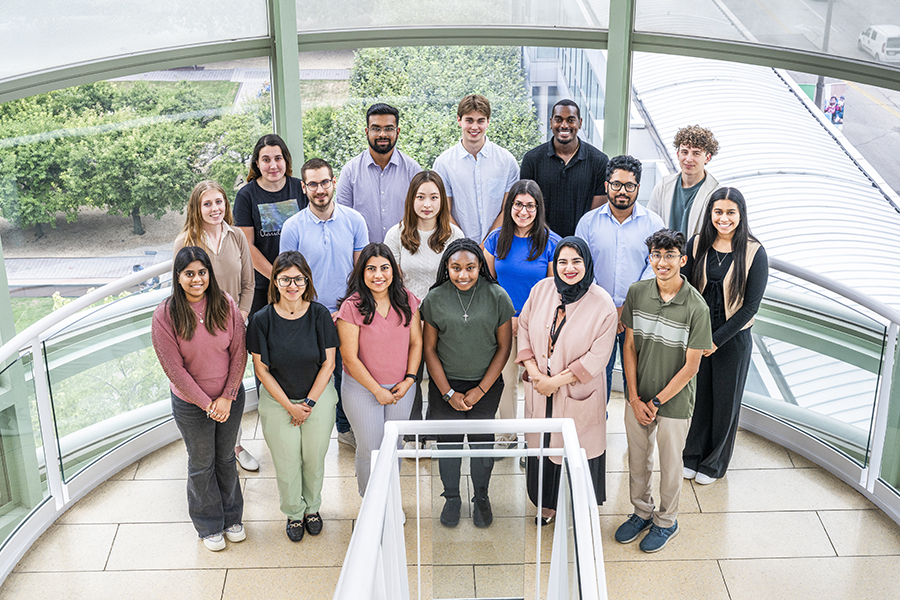
For the second year, VeloSano, Cleveland Clinic’s premier fundraising initiative for cancer research, is moving swiftly toward the future by expanding its grants program to include junior researchers.
Previously, VeloSano grants were exclusively available to staff researchers. However, in 2024, Cleveland Clinic leaders developed a plan to enable new opportunities for the next generation of researchers to pursue innovative ideas.
“We’re excited about the opportunity to support the next generation of cancer researchers,” says Justin Lathia, PhD, Scientific Director of the Rose Ella Burkhart Brain Tumor Neuro-Oncology Center at Cleveland Clinic and professor in the Department of Cancer Sciences. “To identify top talent that is the next generation of cancer research is really important. These students are at a very critical stage in their career where this kind of support can solidify their enthusiasm to embark on being a cancer researcher.”
The trainee grants program features three categories, including fellowship postdoctoral awards of $50,000, graduate student opportunities worth $25,000 and summer student grants of $5,000. There were 21 grants awarded in total.
In addition to financial support, the grants program offers invaluable training in grant writing and navigating the funding landscape — a critical skill set for aspiring biomedical researchers. Participants also receive mentorship and guidance, setting the stage for future success.
Read on to learn more about some of the projects that were awarded this year:
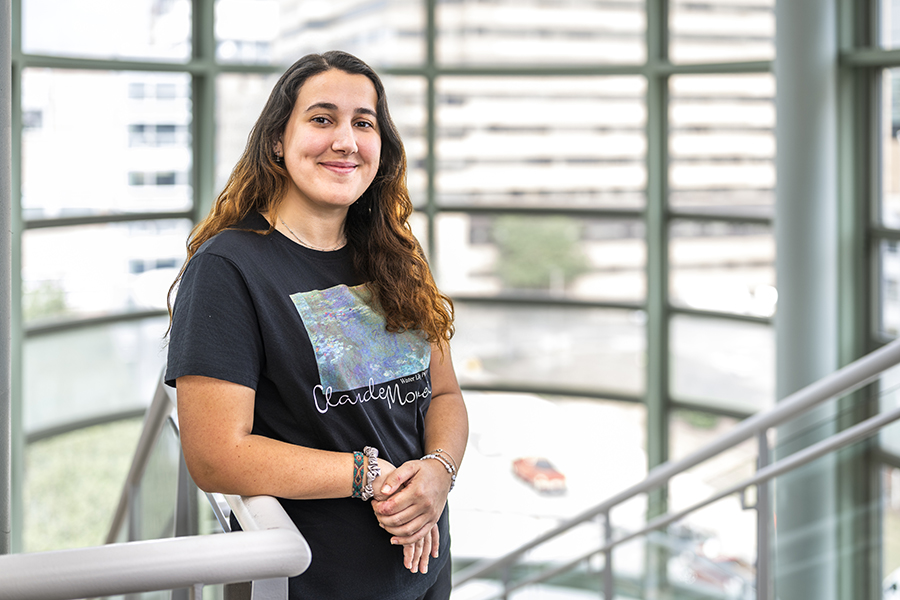
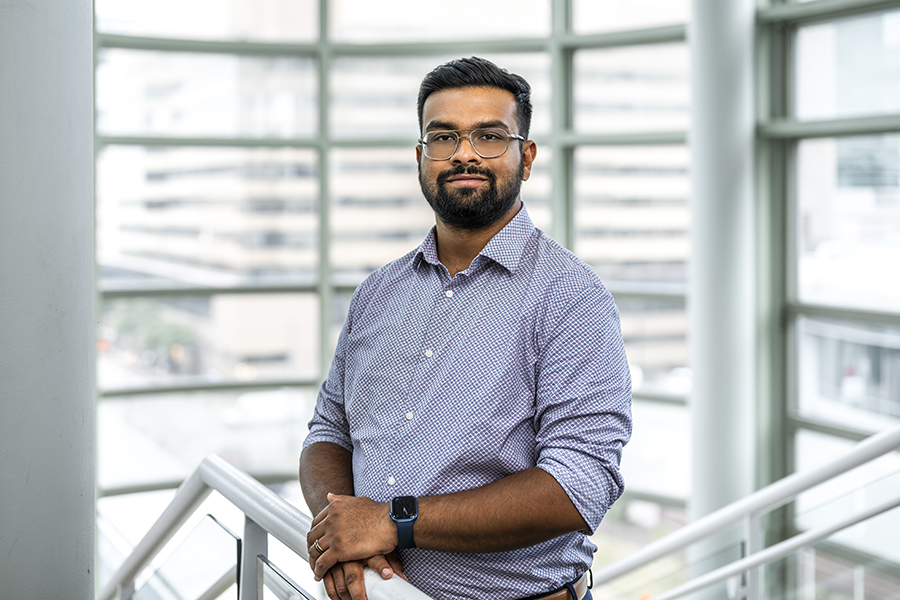
Mentor: Justin Lathia, PhD
The goal of Dr. Alvarez-Vazquez’s studyis to increase the translatability of results from the basic science lab to the clinical side of glioblastoma research. Right now, they are testing a novel CAR T-cell therapy in the lab in collaboration with other colleagues at Cleveland Clinic.
“We’re still in need of cures for multiple cancers, so having the opportunity to be able to help or to find a cure for patients in general is what drives me,” says Dr. Alvarez-Vazquez. “Being at Cleveland Clinic allows you to see the bigger picture. Being at VeloSano Bike to Cure and seeing the “Why I Ride” wall is emotional because everyone is there not just to ride or for the fun, but because they have a personal cause that is behind that. It’s so important.”
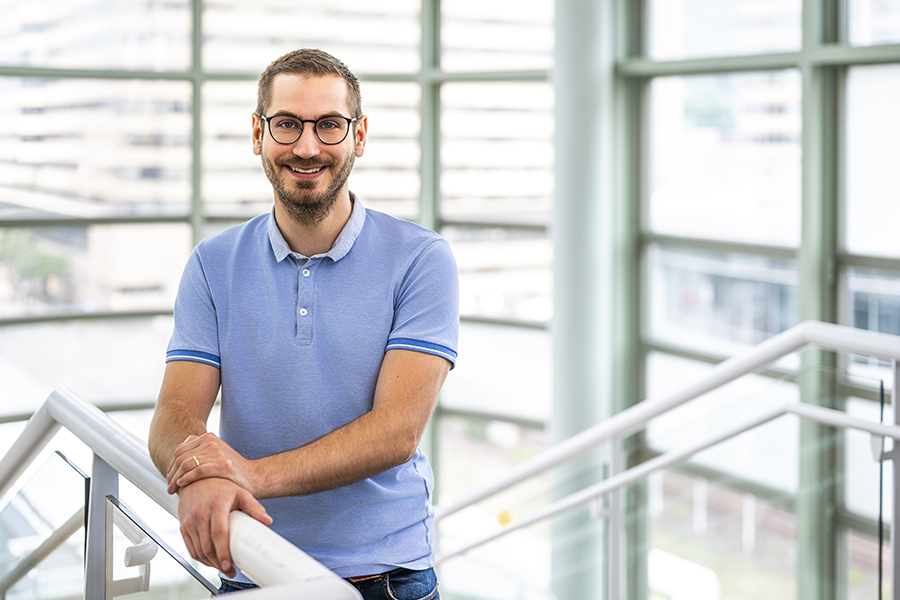
Mentor: Jos Melenhorst, PhD
Bari’s research aims to improve CAR T-cell therapy for chronic lymphocytic leukemia (CLL), a cancer that doesn’t respond well to current treatment. The problem is that CLL cells can shut down the CAR T-cells, making them too “tired” to fight the cancer. The researcher created a new testing system to screen existing drugs and find ones that can “wake up” these tired cells and help them work again. The goal is to make CAR T-cell therapy more effective for people with CLL.
“For me, seeing the CLL patients we are getting the samples from — and knowing we’re basically tailoring this treatment for them — that’s the kind of thing that you don’t really get in other places,” Bari says. “The reason I wanted to get into translational research is because it is where we can actually make a significant difference.”
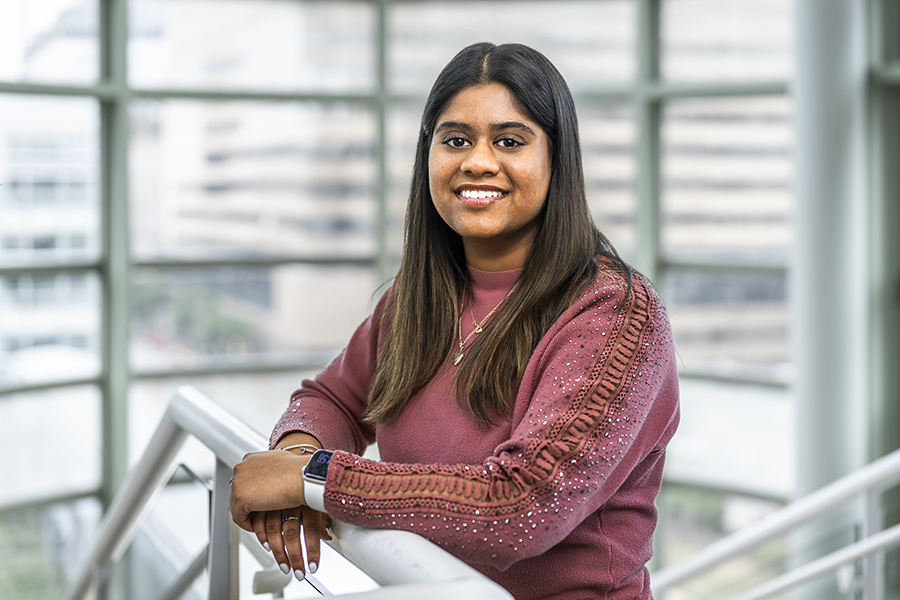
Mentor: Justin Lathia, PhD
Gaboriau’s research focuses on a specific protein and its role in cancer cell invasion. By modifying this protein, his research aims to learn how scientists can prevent cancer cells from spreading. While the study centers on glioblastoma—a particularly aggressive brain cancer—the findings may help fight many other types of cancer too.
“Cancer is really devastating, and year over year the number of cases continues to rise with few advancements towards a cure,” Gaboriau says. “Cancer runs in my family, so that’s a big reason why I end up pursuing cancer research.”
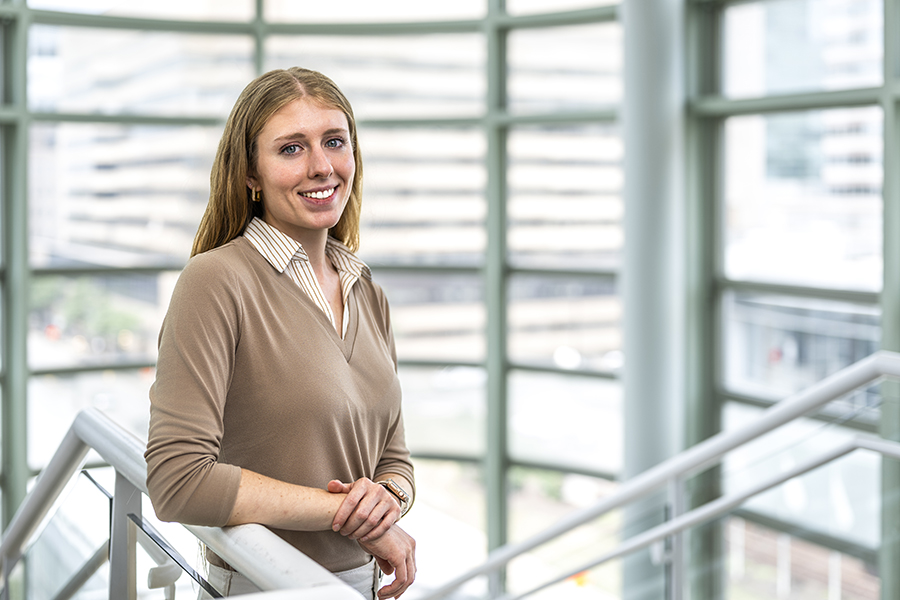
Mentor: Genevieve Crane, MD, PhD
Mohan Vaanathi is working on a research project for a lesser-known condition: Cartilage Hair Hypoplasia (CHH). CHH is a rare genetic disorder characterized by short-limb dwarfism, sparse hair, immune system challenges, anemia and an increased risk of certain cancers, particularly basal cell carcinoma and non-Hodgkin lymphoma, even in children and young adults.
“When I was a freshman in high school, my mom was diagnosed with cancer,” says Mohan Vaanathi. That was a very close-hitting thing because I saw how it affected me and my brother. I also saw how the physicians helped her and how they helped us. So that motivated me to pursue this as a career, and now I am really interested in cancer research and helping others.”
Mentor: Chao Ma, PhD
Ybarra’s study involves developing a first-of-its-kind “bone marrow-on-a-chip” — a small, engineered device that mimics the real structure of human bone marrow. By placing a patient’s cells into the device, the team can test how different cancer treatments, like chemotherapy or cell therapy, might work before giving them to the patient. This approach could help doctors avoid using harsh treatments that may not be effective, especially for bone marrow cancers like leukemia, multiple myeloma or osteosarcoma. “I’m a first-generation graduate student and a first-generation college student, so being able to come here to Cleveland Clinic and to learn from all of those who’ve come before me, all of the mentors here, and to be able to create something new that can benefit others has been a very exciting part of this journey,” says Ybarra. “To see people ride and the reasons why they ride; I’ve had family members affected by cancer and a teacher and just very good friends affected by these diseases, so I’m really happy I get to forward my research and to hopefully benefit future patients.”

100% For The Cure