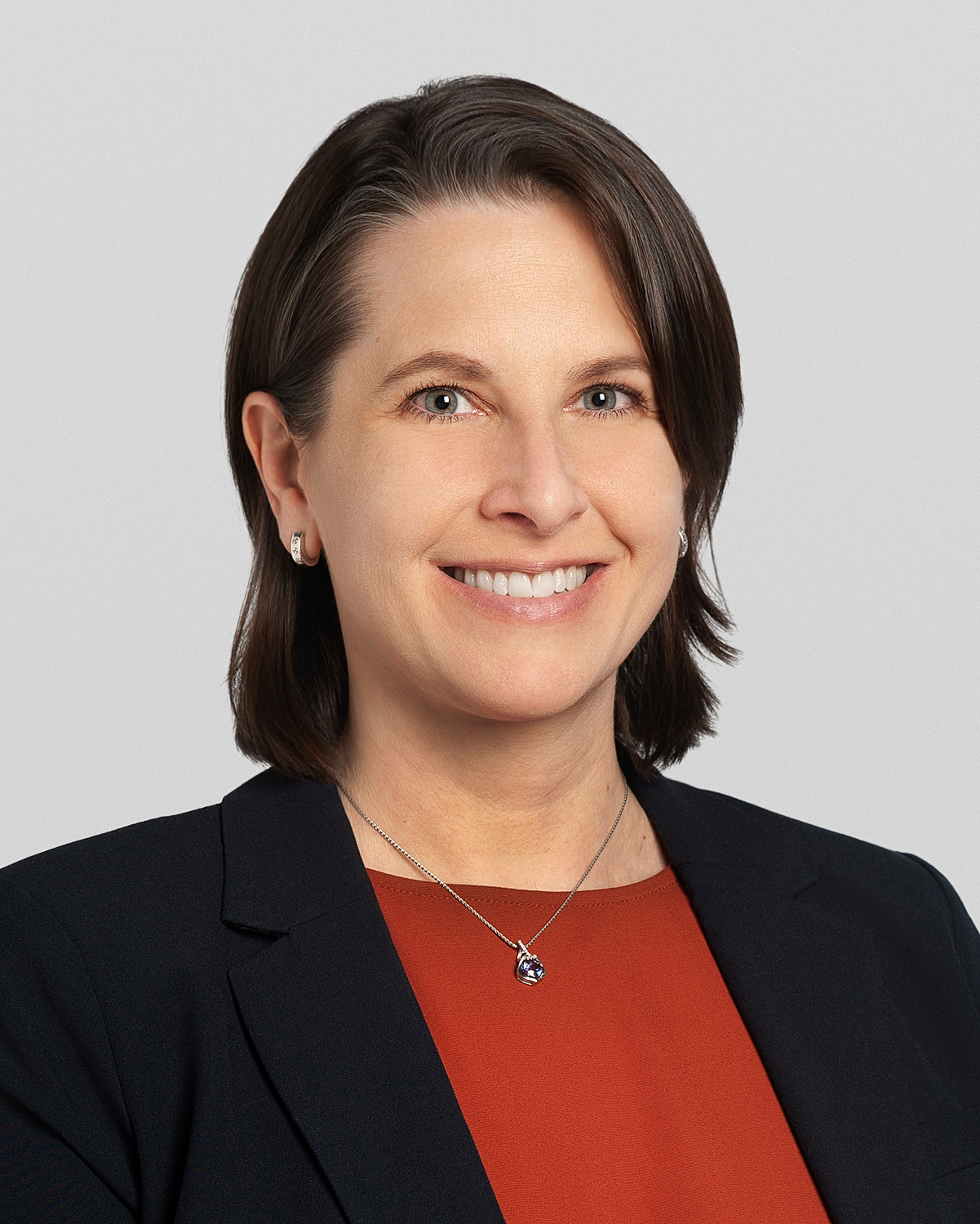
“It’s crucial to have funding mechanisms like VeloSano so we can do innovative projects that directly impact our communities. This support gives us the preliminary data needed to apply for larger national grants and share what we learn.”
For more than 20 years, the Cleveland Clinic Cancer Institute’s Cancer Population Sciences and Community Outreach team has brought cancer screenings and education directly into underserved neighborhoods across Northeast Ohio, meeting people where they are and helping thousands detect cancer early when it is easier to treat. Now, the team is formally studying the impact of this work, building on deep relationships and trust within the community. With support from a VeloSano Pilot Grant, researcher Heather McKee Hurwitz, PhD, is leading a groundbreaking evaluation of a new initiative called Check It Together.
Developed by Dr. Hurwitz in collaboration with Ron Lloyd, MBA, RN, Director of the Cancer Outreach team, and Karie Feldman, PhD, Scientific Medical Writer, the Check It Together program reimagines the traditional patient‑navigation model. The idea grew from a consistent pattern in the data: most people attending community screening events are women. The team realized that empowering these women to bring the men and loved ones in their lives — who are less likely to get screened — could dramatically expand the program’s reach.
Check It Together does exactly that. The model rewards positive health behaviors, encourages attendees to bring family and friends and uses social networks to spread screening exponentially. Events expand onsite screening options and adapt patient navigation to support entire networks rather than individuals, with attendees even taking selfies with loved ones to amplify awareness. A cornerstone of the project is sustaining the trusted community partnerships that make this work possible and sharing research findings back with the community members and organizations who help bring it to life.
“A key way we can address the cancer burden is by getting people screened and detecting it early,” says Dr. Hurwitz. “Northeast Ohio has higher incidence and mortality rates for almost all screenable cancers when compared to the rest of the US. Bringing screening directly into underserved communities — and encouraging people to bring others with them — is essential. One of our most transformative elements is our collaboration with community members and community organizations.”
With VeloSano support, Dr. Hurwitz’s team will compare Check It Together events with standard outreach events to determine whether the model increases participation, especially among men. They will also study caregiver experiences and use social network analysis to understand who refers whom, which community organizations are key connectors and how screening behaviors spread.
For Dr. Hurwitz, the work is both scientific and deeply personal. She rides in Bike to Cure each year with her young son in tow, honoring her friends and family members who have been touched by cancer and celebrating the community that makes this research possible.
“Bike to Cure weekend is an annual event for me,” says Dr. Hurwitz. “It’s a wonderful celebration that recognizes our sometimes-hidden work of addressing cancer, where so many people touched by cancer come together to work for a cure. As a sociologist, I know there’s no shortage of social problems, but when you donate to VeloSano, you’re contributing to really meaningful research that has a local, national and international impact.”

100% For The Cure
We use cookies to improve your browsing experience, analyze website traffic, and personalize content. By clicking “Accept All” you consent to our use of cookies. You can manage your preferences at any time. See our Privacy Policy.
We use cookies to run this site and, with your permission, to analyze traffic and personalize content. Choose which cookies to allow. See our Privacy Policy.
Required for the website to work. Always active.
Lets us measure website traffic and personalize content through Google Analytics. Nothing loads until you allow it.