Glioblastoma (GBM) is one of the most treatment‑resistant and deadly cancers. Patients usually undergo surgery to remove as much of the tumor as possible, followed by radiation and chemotherapy, but even with these treatments, most people live less than two years after diagnosis.
One reason GBM is so difficult to treat is that each tumor is made up of many different kinds of cancer cells that behave in different ways. No two tumors are alike. Among these cells, a group with “mesenchymal” features is especially dangerous. These cells resist treatment, spread easily, survive in low‑oxygen areas of the brain and help tumors grow new blood vessels.
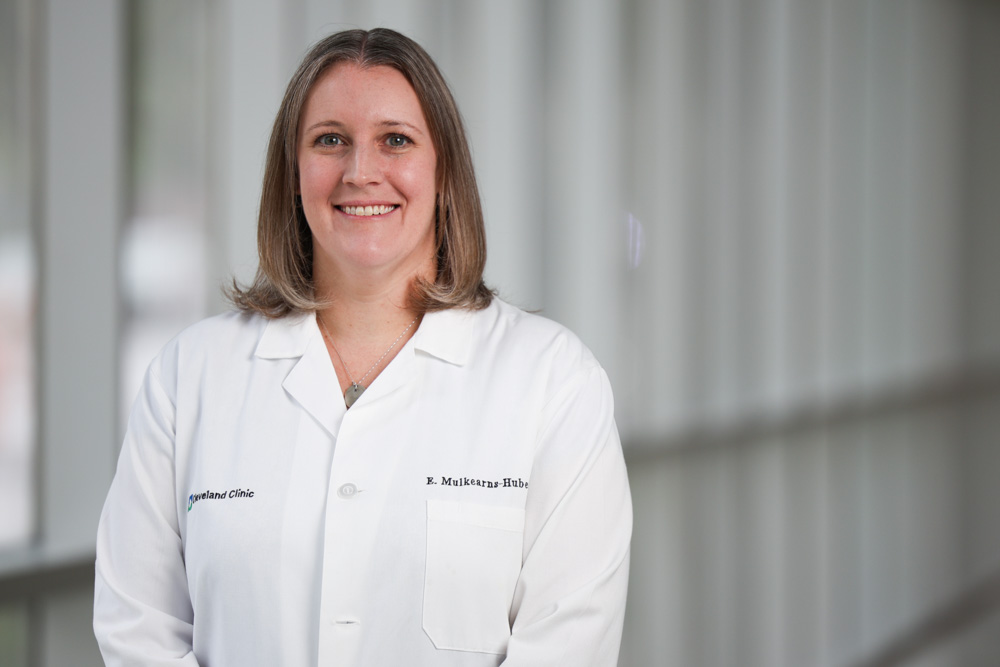
Dr. Mulkearns‑Hubert and her team have identified a protein called WNK1 that GBM cells rely on to survive. WNK1 is already known to make other cancers more aggressive. In this project, she will test whether WNK1 also makes GBM cells more mesenchymal by increasing levels of another protein, ZEB1, which is known to drive these aggressive traits in other cancers.
By understanding what makes GBM cells so aggressive, Dr. Mulkearns‑Hubert’s research aims to uncover new targets for treatment, ultimately helping to develop more effective therapies and improve survival for patients facing this devastating disease.

100% For The Cure

We use cookies to improve your browsing experience, analyze website traffic, and personalize content. By clicking “Accept All” you consent to our use of cookies. You can manage your preferences at any time. See our Privacy Policy.
We use cookies to run this site and, with your permission, to analyze traffic and personalize content. Choose which cookies to allow. See our Privacy Policy.
Required for the website to work. Always active.
Lets us measure website traffic and personalize content through Google Analytics. Nothing loads until you allow it.