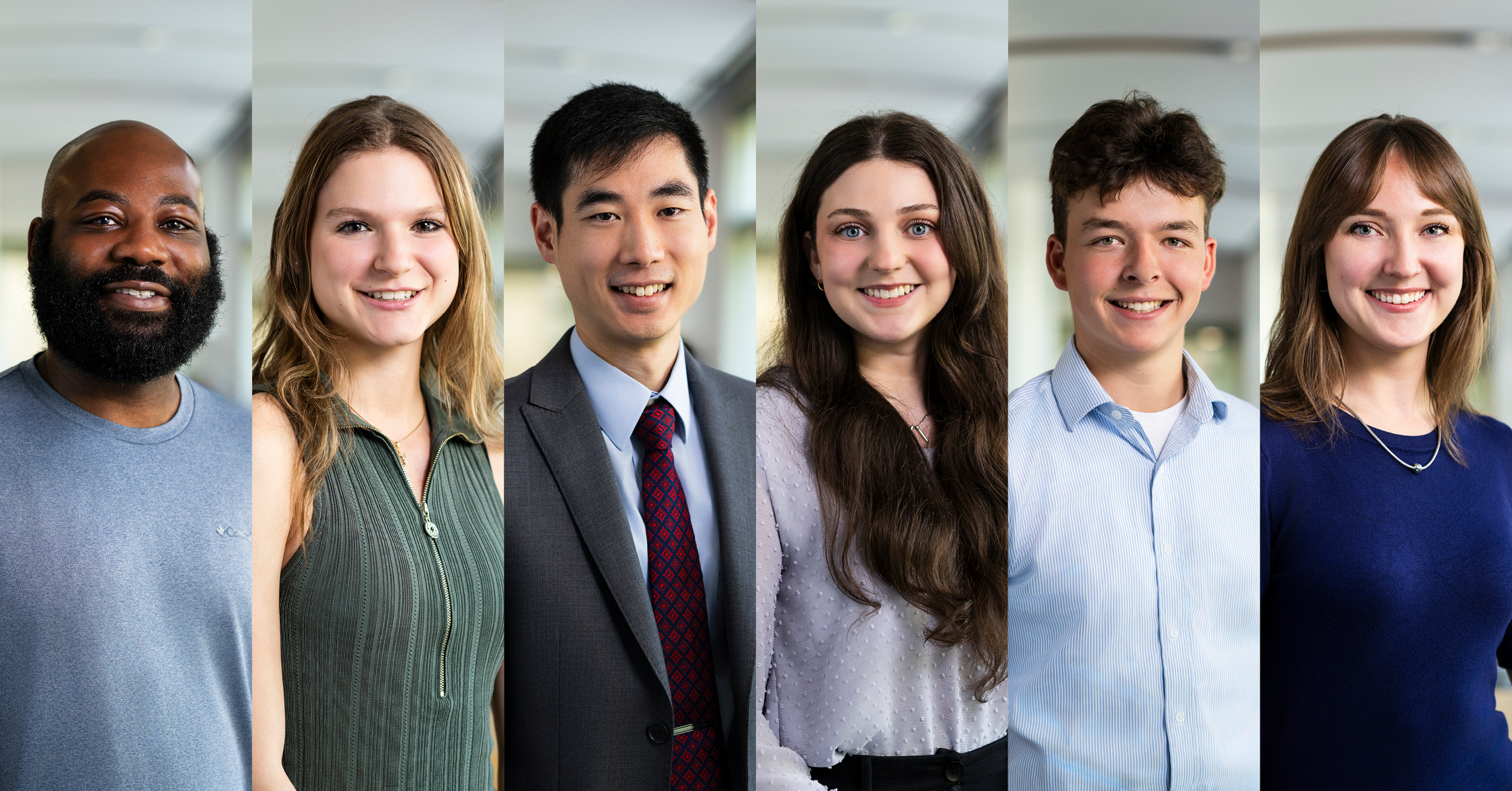
This is the third year that VeloSano fundraising dollars have supported the Trainee Grants program. The program features three categories: fellowship postdoctoral awards, graduate student opportunities and summer student grants. There were 24 grants awarded this year.
“With the Trainee Grants program, we’re investing in future cures, today,” says Justin Lathia, PhD, Scientific Director of the Rose Ella Burkhart Brain Tumor Neuro-Oncology Center at Cleveland Clinic, professor in the Department of Cancer Sciences, and holder of the Melvin H. Burkhardt Endowed Chair for Neuro-Oncology Clinical Research Fund. “In addition to financial support, the students receive mentorship, guidance, and invaluable training in grant writing and navigating the funding landscape, which is a critical skill set for aspiring biomedical researchers.”
Read on to learn about the research from some of this year’s grantees, in their own words:
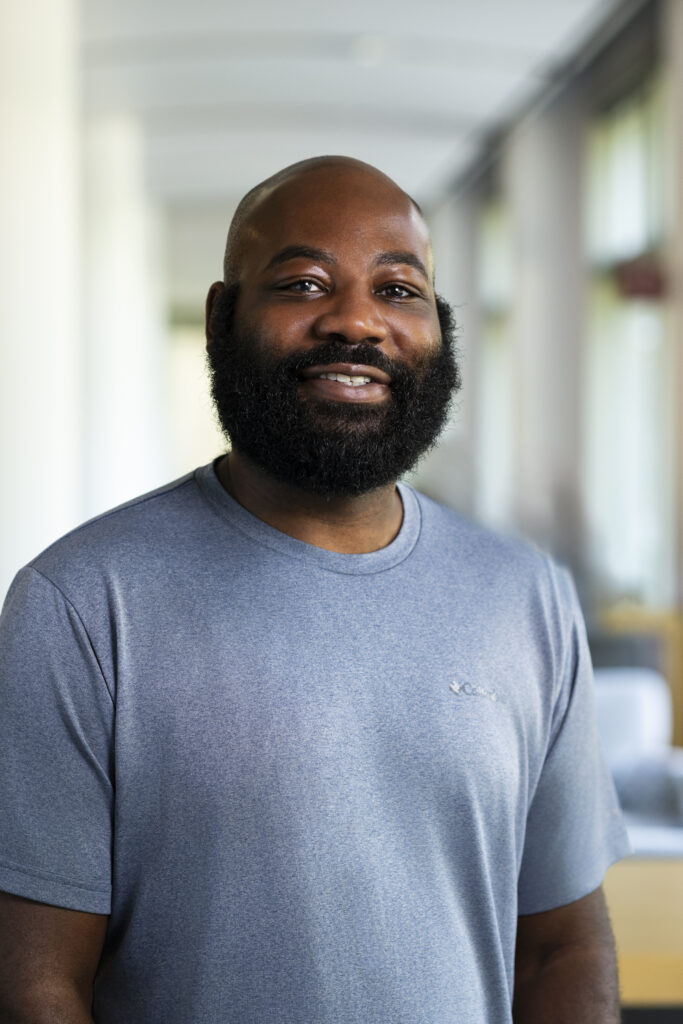
Mentor: Stephanie Schmit, PhD, MPH
The Research: “I’m using the Ohio Opportunity Index that is similar to ADI (Area Deprivation Index). If you’re in a ‘least opportunity’ neighborhood, you may not have immediate resources such proper access to certain healthcare. If you live in a ‘high opportunity’ neighborhood, you’re more likely to have access to a clinic and have numerous transportation options. We want to see how that impacts your chronic stress level using clinical biomarkers that you’d find in your electronic health records, and how that affects chronic stress as well as how it also mediates a pathway between the opportunity index and colorectal cancer.”
Why it’s important: “I’ve had members of my family who have either passed away from cancer or they went into remission. Right when I started my PhD, my dad was diagnosed with prostate cancer. It was a little hard on us because we had to push him to go see a physician for normal checkups, but he just wouldn’t go. He finally went and was told the news. This has also raised awareness in my family for people to go and get screened for different things because the men in my family do not go often. The main part of why I began this research is to raise awareness in communities that don’t have access to those options. The goal is to get out and help people understand how to navigate the screening process and seeing your oncologist if you do have cancer.”
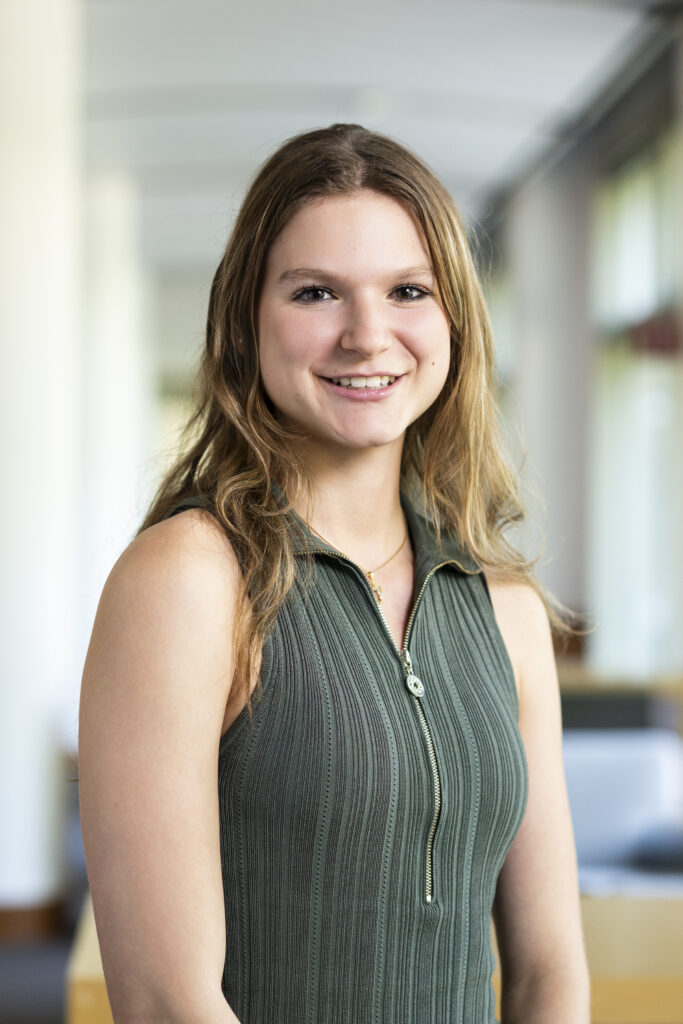
Mentor: Richa Sharma, MD
The Research: “We’re looking at genes, that when mutated can increase an individual’s risk for cancer. Say you’re building a sandcastle. You have all your components that go into the sandcastle; you have your shovel, you have your mold that you’re putting the sand in, and you need the pail for water. Everything works together to help that sandcastle come together. So, in our bodies, it’s similar. We have different mechanisms that help our body function properly such as many proteins that work together to repair and replicate DNA. If you get a mutation, your body works to repair that. For instance, when you go out in the sun, UV exposure can cause DNA damage and interfere with DNA replication processes. These DNA repair mechanisms that come in are like the components of building the sandcastle. They make sure everything is going smoothly and that mutation that you may have incurred doesn’t affect you overall. The SMARCAL1 gene that we are studying encodes for one of these DNA repair proteins. In some individuals, when they have a mutation in SMARCAL1, they present with an increased risk to a certain cancer, which is osteosarcoma, or bone cancer.”
Why it’s important: “Cancer has affected so many people. I’ve had a lot of family members pass away from cancer, like my grandfather. We’re just all a big family on this earth, I like to say. So, we’re all there for each other. Seeing individuals who are fighting cancer makes me think of my family members who passed from it, and you want to fight with them. We’re hoping to give cancer patients a cure.”
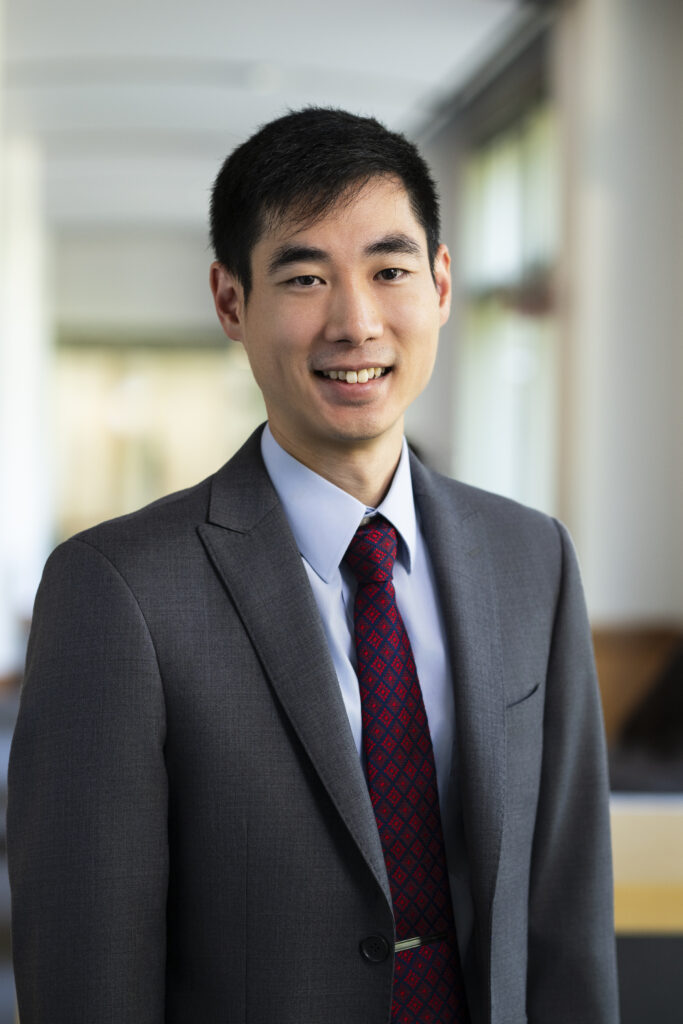
Mentor: David Liska, MD
The Research: “Rectal cancer is the third most common cancer in the U.S. and its incidence is rising among young people. Treatment for rectal cancer can involve radiation and chemotherapy prior to surgery. At the end of receiving non-surgical treatment, it can sometimes be hard to know whether a patient has completely responded to those treatments or whether there is remaining tumor and they should go on to surgery. I am building an artificial intelligence model that can incorporate all of the different data that we already collect about patients — information about the patients themselves, their tumor characteristics, how their imaging or endoscopy has changed over the course of their treatment — and incorporate both the images and the clinical data together to help us predict better which patients will respond completely and safely avoid surgery.”
Why it’s important: “As clinician-researchers, we see firsthand how deeply cancer and its treatment affect patients’ lives. This is especially impactful as we increasingly care for younger patients facing advanced tumors and treatment decisions that may shape the rest of their lives. My goal is to make those decisions more precise: to identify when we need to act quickly with surgery and when we can safely avoid it. With the backing of VeloSano, it is incredibly powerful to tell a patient not only, “We have a treatment for you today,” but also, “We are working to make that treatment more precise for you and for future patients.”
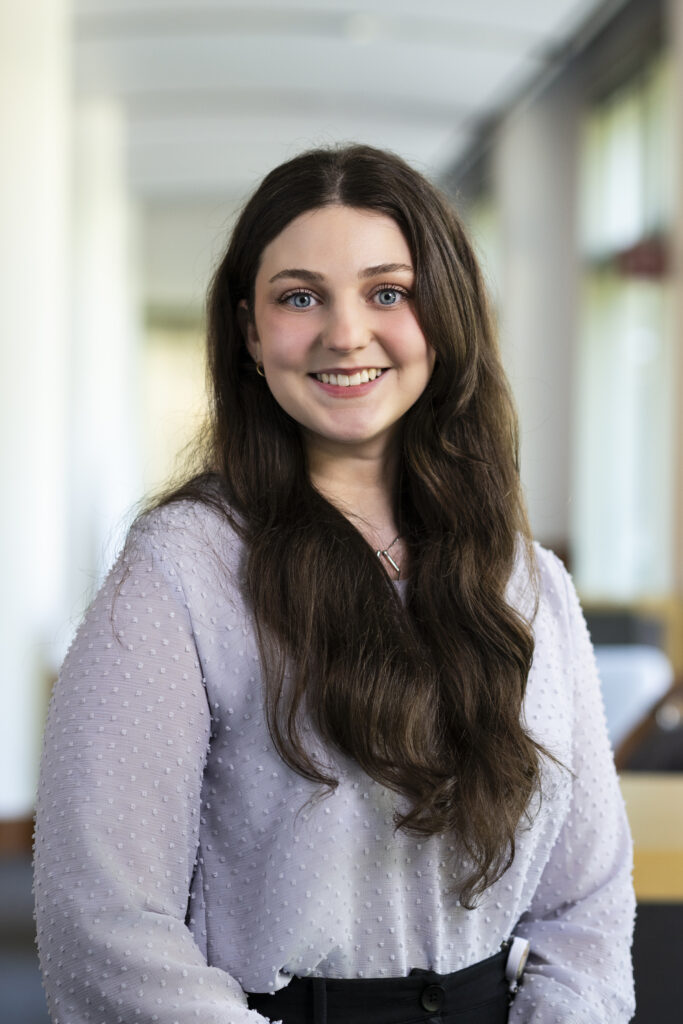
Mentor: Apollo Stacy, PhD; Natalie Silver, MD; Daniel McGrail, PhD
The Research: “My lab is studying the interactions between different microbes in the context of periodontitis, which can lead to different comorbidities, oral squamous cell carcinoma being one of them. I’m interested in studying more about how these microbes interact to help progress this cancer. It’s the most common oral cancer and it makes up about 90% of all oral cancer diagnoses. So, I’m really interested in how these different microbes can work together to promote this disease. Current studies look mostly at one microbe specifically, but there’s not a ton of work around how the microbes interact together to promote disease. The oral microbiome is the second most populous microbiome in our bodies, second to the gut. So, there’s definitely a lot of factors at play there and oral health is important.”
Why it’s important: “Periodontitis is on the rise; a lot of people are being diagnosed with it, and with that comes the possibility for oral squamous cell carcinoma development. Personally, I had the great opportunity to shadow Dr. Natalie Silver and observe tumor resection procedures from patients impacted by oral carcinomas. It’s a lot. You’re dealing with patients, that in some cases, have to have a portion of their tongue removed, so it affects things like eating and swallowing and speech. The quality of life for these individuals is going to be impacted. I’m interested in trying to figure out if we can control and target specific pathogens to produce better treatment options and slow disease development.”
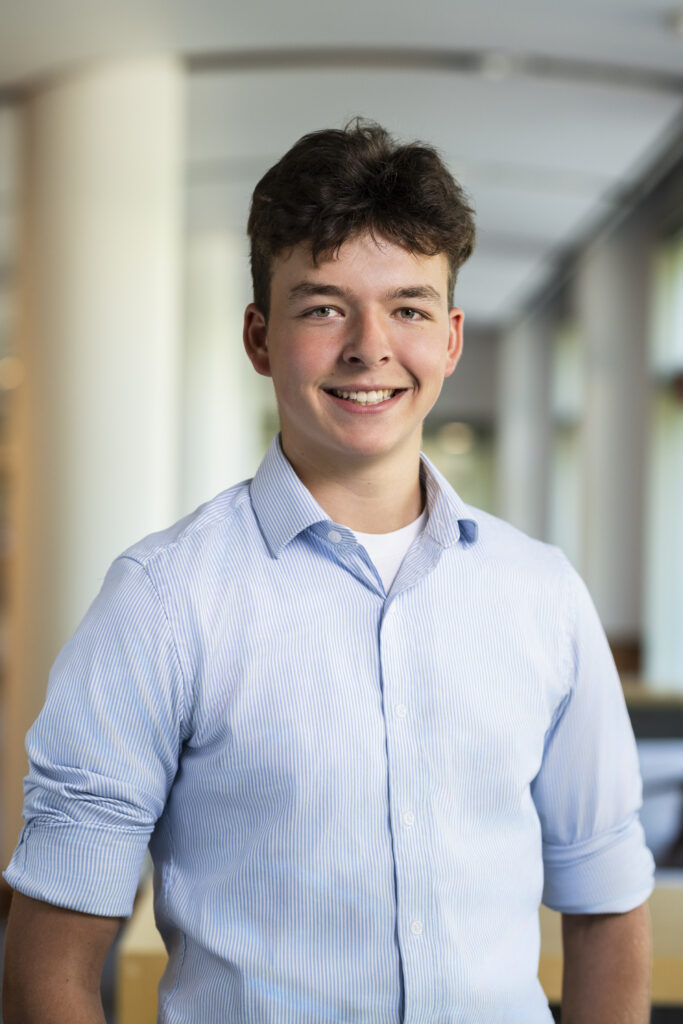
Mentor: Justin Lathia, PhD
The Research: “I’ve been researching estrogen receptors in the brain and how platelet hyperactivity regulates brain tumor growth through estrogen receptors. We’re looking at sex differences and how these differences affect tumor growth through platelets, which is, like a clotting cell in the brain.
Why it’s important: “I remember always looking at what my mom (Cleveland Clinic researcher Michelle Longworth, PhD) was doing and asking her when she would come home from work about what she was working on. I would go in on my days off from school, and I would go into her lab and look at all the cool stuff and gadgets, and I always thought that it was cool and it made me want to get into it. I also started participating in VeloSano around 10 years old – I always wanted to help in some way. Being able to take part in VeloSano-funded research is amazing for me, as I’ve always been a science guy and it all started with VeloSano and my mom.”
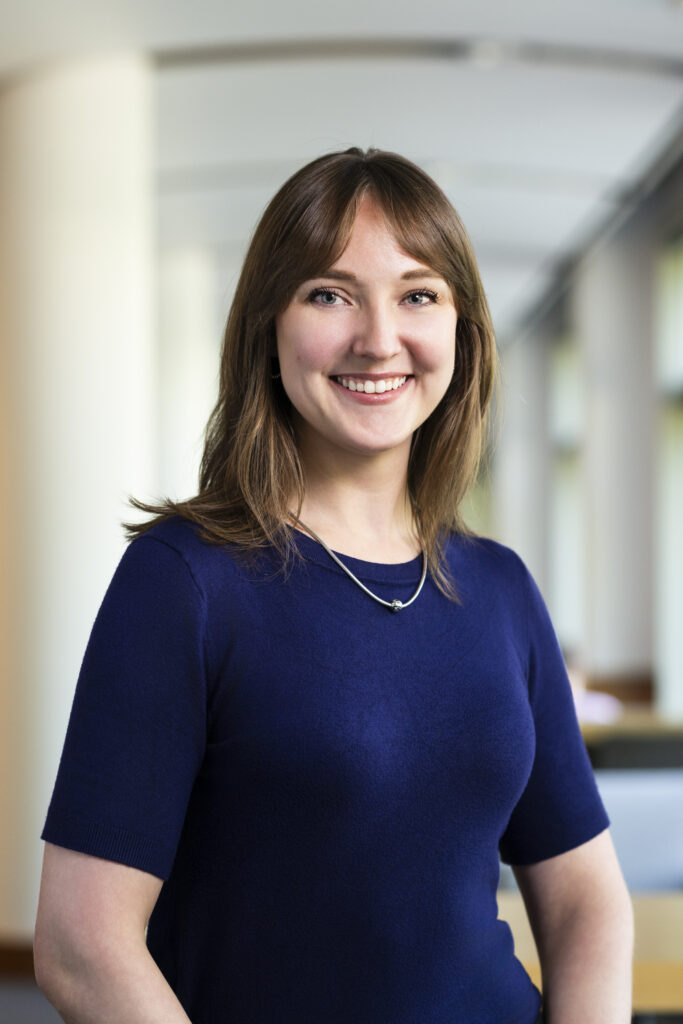
Mentor: Justin Lathia, PhD
The Research: “I’m looking at how the immune response is different between males and females, specifically in microglia, the resident immune cell in the brain. We know that glioblastoma incidence differs between males and females, and we still don’t know exactly why. We have hints, we have clues, we have researchers who have found differences. We are getting there, but we’re not there yet, so every moment or every clue or experiment or finding will just allow us to get closer to understanding. If we’re closer to understanding why, then we’re able to translate to the clinic. So that’s really the most interesting or exciting part.”
Why it’s important: “Cancer is so devastating. VeloSano Bike to Cure is more than just a fundraiser. When you arrive, it’s the energy; it’s the music; you have people announcing names. It’s the whole community and when you’re riding, you see it. When you’re riding past Taussig and you see the nurses, clinicians, the patients and the families it gives you energy. Then as you’re riding on the side streets and you see a family outside of their house with their kids and you see how it brings the whole community together. And this grant opportunity gives me more than just the funding. A big part of it is being able to communicate your research with others. To be able to speak with other researchers at Cleveland Clinic and say, ‘Hey, this is what I’m doing, and this is what our goal is,’ it enables us to have that connection and communication I think is really important.”

100% For The Cure
We use cookies to improve your browsing experience, analyze website traffic, and personalize content. By clicking “Accept All” you consent to our use of cookies. You can manage your preferences at any time. See our Privacy Policy.
We use cookies to run this site and, with your permission, to analyze traffic and personalize content. Choose which cookies to allow. See our Privacy Policy.
Required for the website to work. Always active.
Lets us measure website traffic and personalize content through Google Analytics. Nothing loads until you allow it.