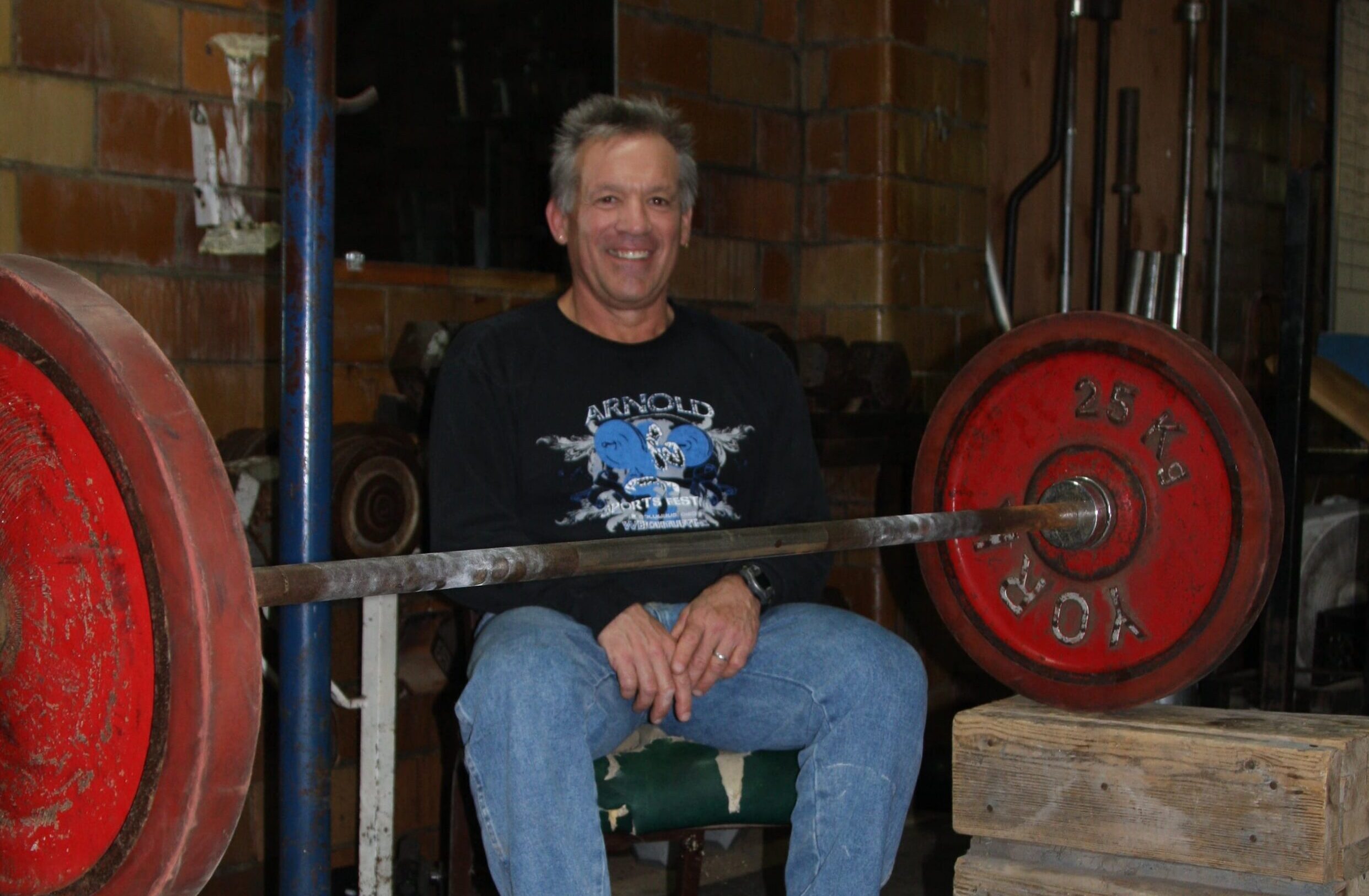
Photo by: Anne L. Lehman
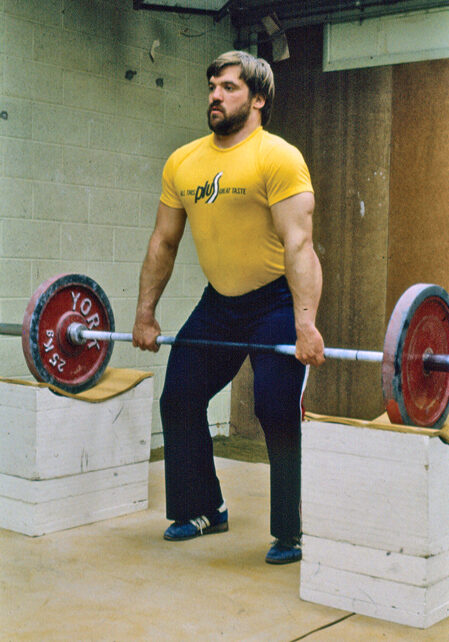
But training for that Olympic goal left Crass sidelined with orthopaedic injuries, and complications from medical treatments. Treatments that were originally prescribed to help with pain and inflammation left him with major surgeries, including the removal of his rectum and a host of debilitating symptoms.
After his Olympic journey concluded, Crass found himself suffering from a condition called Lower Anterior Resection Syndrome (LARS). LARS is a collection of symptoms that can occur after surgery to remove all or part of the rectum that involve trouble with bowel control.
“I couldn’t do anything,” he recalls. “I knew where every bathroom in Central Florida was. I couldn’t even go to the grocery store without going to the restroom three times.”
Even simple activities began to feel impossible. Travel was out of the question; social outings were stressful; even going out to dinner with his wife became isolating.
“My wife would eat alone while I was going back and forth to the restroom,” he says. “It’s embarrassing. It affects everything.”
Crass was ready to accept these challenges as his reality when renewed hope arrived via a referral to a brand-new LARS clinic that was underway under the guidance of Marylise Bourtros, MD, a colorectal surgeon and Regional Director of Research for the Digestive Disease Institute at Cleveland Clinic Florida.
This innovative clinic was made possible through funding from VeloSano, Cleveland Clinic’s year-round fundraising movement to accelerate cancer research. The clinic’s primary focus is to improve quality of life for patients who are suffering from complications from LARS.
It’s now been a year since Crass has tried the new treatment plan from the LARS clinic, which involves using a technique called Transanal Irrigation (TAI). What a difference a year has made.
“The difference has been infinite,” says Crass. “After I use the TAI, I’m free for the day and often the following day as well. I couldn’t do anything before. Now I can live again.”
While the benefits of many research initiatives can take years to reach patients, what makes Dr. Boutros’ clinic so unique is that the VeloSano-funded program is already transforming lives by offering solutions for people like Crass who are experiencing the lasting effects of complex conditions or cancer treatment.

Reflecting on his experience working with Dr. Boutros and her team, Crass says, “They listened and they cared. Dr. Boutros was a real person, not a surgical robot. She understood that this was not just about survival, but actually living.”
“I see people who say that after going through the clinic, they are able to do things that they haven’t been able to do for years and you see a light in their eyes and I know we’ve done something good,” says Dr. Boutros. “It’s what keeps me going to plan the next trial and the next idea to solve this problem. It’s what keeps me going.”

100% For The Cure
We use cookies to improve your browsing experience, analyze website traffic, and personalize content. By clicking “Accept All” you consent to our use of cookies. You can manage your preferences at any time. See our Privacy Policy.
We use cookies to run this site and, with your permission, to analyze traffic and personalize content. Choose which cookies to allow. See our Privacy Policy.
Required for the website to work. Always active.
Lets us measure website traffic and personalize content through Google Analytics. Nothing loads until you allow it.